

The Art of Layering Lighting
Lighting is one of the most transformative elements in a home, and one of the most overlooked.
A thoughtfully furnished room can still feel flat or unfinished if the lighting has not been carefully considered. Too often, a single overhead fixture is expected to do all the work. While it may provide general illumination, it rarely creates the warmth, depth, and flexibility that make a space truly inviting.
Just as we layer textures, finishes, and materials in a well-designed interior, we must also layer light.

When ambient, task, and accent lighting work together, a room feels intentional, balanced, and elevated.
Ambient Lighting: The Foundation
Ambient lighting provides the overall illumination of a room. That includes recessed lighting, chandeliers, and flush mounts.
While essential, ambient lighting alone can feel harsh or one-dimensional. The goal is soft, even lighting that establishes comfort without overpowering the space. Whenever possible, overhead fixtures should be placed on dimmers. This allows the room to transition throughout the day, bright and energizing when needed, warm and intimate in the evening.
Ambient lighting is also an ideal opportunity to introduce a sculptural or statement fixture. Because it is not the primary source of warmth in the room, a chandelier or ceiling fixture can be bold, artistic, or unexpected without overwhelming the space. A beautifully chosen fixture helps tie together finishes such as metals, wood tones, and upholstery. It acts as a visual anchor and reinforces the overall design direction.
Ambient lighting sets the stage both functionally and visually, but it should never stand alone

Task Lighting: Designed for Living
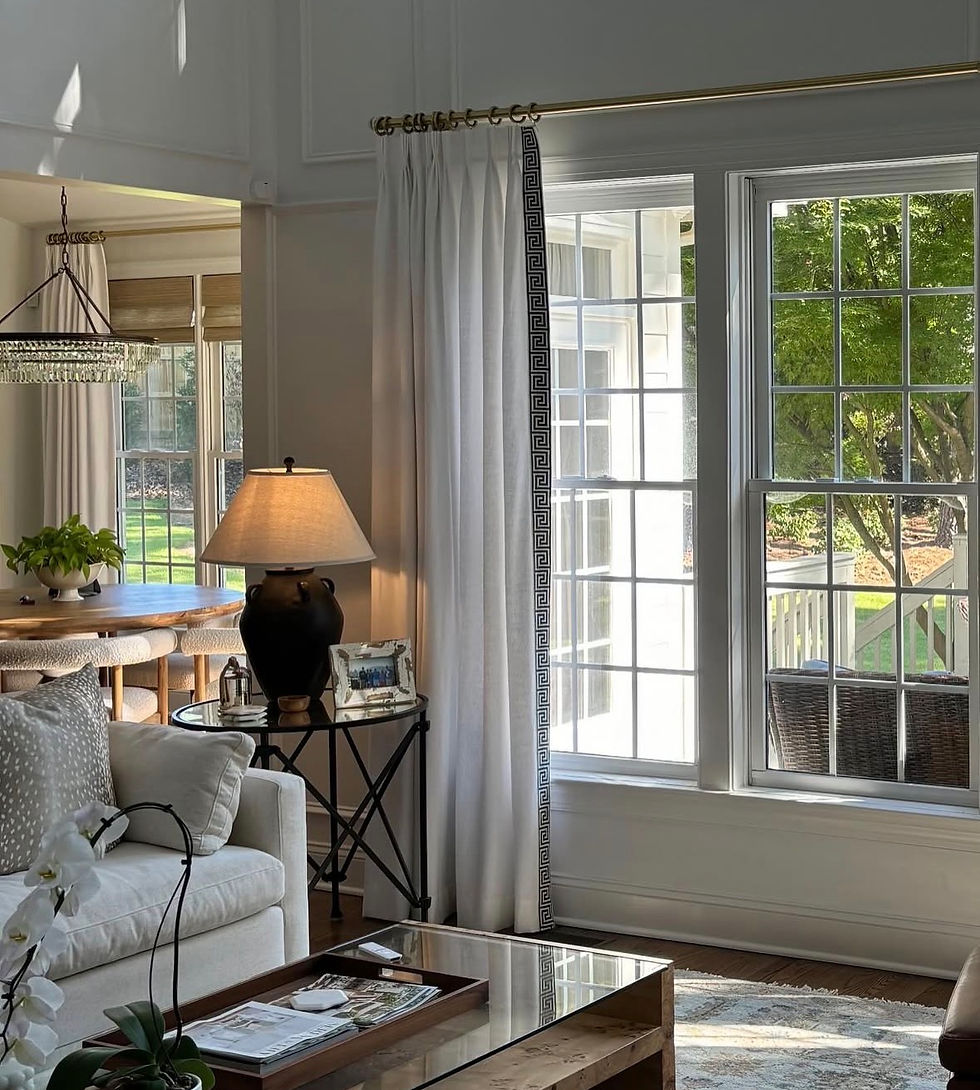
Task lighting offers focused illumination for specific activities such as reading, cooking, working, or preparing for the day. Table lamps, floor lamps, kitchen pendants, under-cabinet lighting, and vanity lighting all fall into this category.
This layer brings functionality into the design, but it also introduces warmth in a way that overhead lighting cannot. In many homes, task lighting is the layer that remains on after hours. Even during the day, lamps often stay illuminated to maintain a sense of softness and comfort. Because of this, task lighting can feel even more important than ambient lighting in shaping the atmosphere of a room.
Without it, we rely too heavily on overhead lighting, which can create glare and unflattering shadows. Thoughtfully placed task lighting supports how you truly live in your home, ensuring beauty and practicality coexist seamlessly.
A reading chair feels incomplete without a nearby lamp. A kitchen workspace feels underlit without pendants or under-cabinet lighting. Lamps glowing in the evening create an inviting rhythm throughout a home. Task lighting adds intention to everyday moments while establishing the warmth that makes a space feel lived in and welcoming.
Accent Lighting: The Finishing Touch
Accent lighting introduces depth and dimension by drawing attention to artwork, architectural details, textured surfaces, cabinetry, or curated shelving. Sconces, picture lights, cabinet lighting, and subtle integrated fixtures often serve this purpose.
True to its name, this layer is the finishing touch. It is often the element that people do not realize they are missing until it is thoughtfully incorporated. Once added, the space feels complete because meaningful details stand out. Artwork gains clarity. Architectural features feel intentional. Materials and textures reveal their richness. It ensures that carefully selected elements are seen and appreciated rather than fading into the background.
This layer is not meant to be bold. Its strength lies in softness and restraint. When executed well, accent lighting refines a room quietly, elevating it from functional to artistic.

Why Layering Makes Such A Difference
When all three layers are present, a room becomes dynamic. Lighting can shift to suit the time of day, the mood, or the occasion.
Layered lighting:
Softens harsh shadows
Adds depth and visual interest
Enhances finishes and textures
Creates warmth and atmosphere
Allows flexibility and control
Practical Considerations:
Install dimmers on overhead fixtures whenever possible.
Choose warm white bulbs.
Incorporate multiple light sources in every room.
Vary lighting heights, including ceiling level, eye level, and below eye level.
Address darker corners to prevent a room from feeling smaller or unfinished.


Comments